
Healthy lifestyle guide
A healthy lifestyle guide for Indonesian men
Everyday habits that do more for how you feel than any capsule: how you eat, how you move, how you rest, and how you carry a full working week in a hot climate.
Where to start
No gym membership, no imported diet
This guide collects the everyday habits that do more for how you feel than any supplement. Nothing here asks you to relocate your kitchen, join a gym or buy food you have never seen at your own pasar.
It is written for adult men living and working in Indonesia — commuting, sitting long hours, eating what is actually available nearby. Read it as a set of anchors you can keep, not a plan you finish. Pair it with sensible healthy lifestyle products and let the routine do most of the work; natural supplements for men and men's vitamin supplements fill gaps that food leaves, they do not replace the meal.
We keep the language plain on purpose. Where a habit needs a number, you get a starting number and the reason it moves up or down. Where something is worth checking with a professional, we say so and stop there.
Three anchors hold a week together
Sleep window, two or three movement sessions, one food-shopping trip. That is the whole structure. Check which one broke before you blame motivation.
A fixed bedtime
Pick the hour you are in bed and keep it within thirty minutes most nights. A steady wake time matters more than total hours. Weekends drift, and Monday pays for it.
Two movement slots
Block them like meetings. Tuesday evening and Saturday morning survive a busy week far better than "whenever I have time" — which is never.
One market run
A standing Saturday trip to the pasar decides what you eat all week. Skip it and the week gets decided by whatever is fried near the office.
Structure is what motivation rides on, not the reverse. When a week goes badly, most men read it as a character problem. Usually it is a calendar problem: the bedtime moved, the market run got skipped, and movement was the first thing cut. Fix the anchor, not the mood.

Food that fits a real budget
You do not need imported ingredients to cover protein and most micronutrients cheaply. Tempeh, tofu, eggs and small fish carry the protein; kangkung, spinach and market fruit carry the rest. None of it is exotic, all of it is walking distance from most Bandung kitchens.
The habit that changes the most is batching. Cook two larger meals on the weekend and reheat them through the week. If your lunches are always bought, choose the version with vegetables and grilled protein instead of the fried plate with one cucumber slice. Small swaps, repeated, beat one dramatic week.
What a week actually needs
- Protein at two meals a day — an egg at breakfast and tempeh or fish later is enough for most men.
- Something green daily — kangkung and spinach reheat badly, so cook them fresh in three minutes.
- Fruit within reach — if it sits in a bowl you see, you eat it; if it sits in the fridge drawer, it rots.
- A stall default — decide once which warung plate is your regular, so choosing is automatic.
This is the point where vitamins and minerals for men earn their place. If your diet already covers the basics, a supplement is a small top-up. If it does not, the same supplement is covering for a meal you skipped.
Hydration and heat
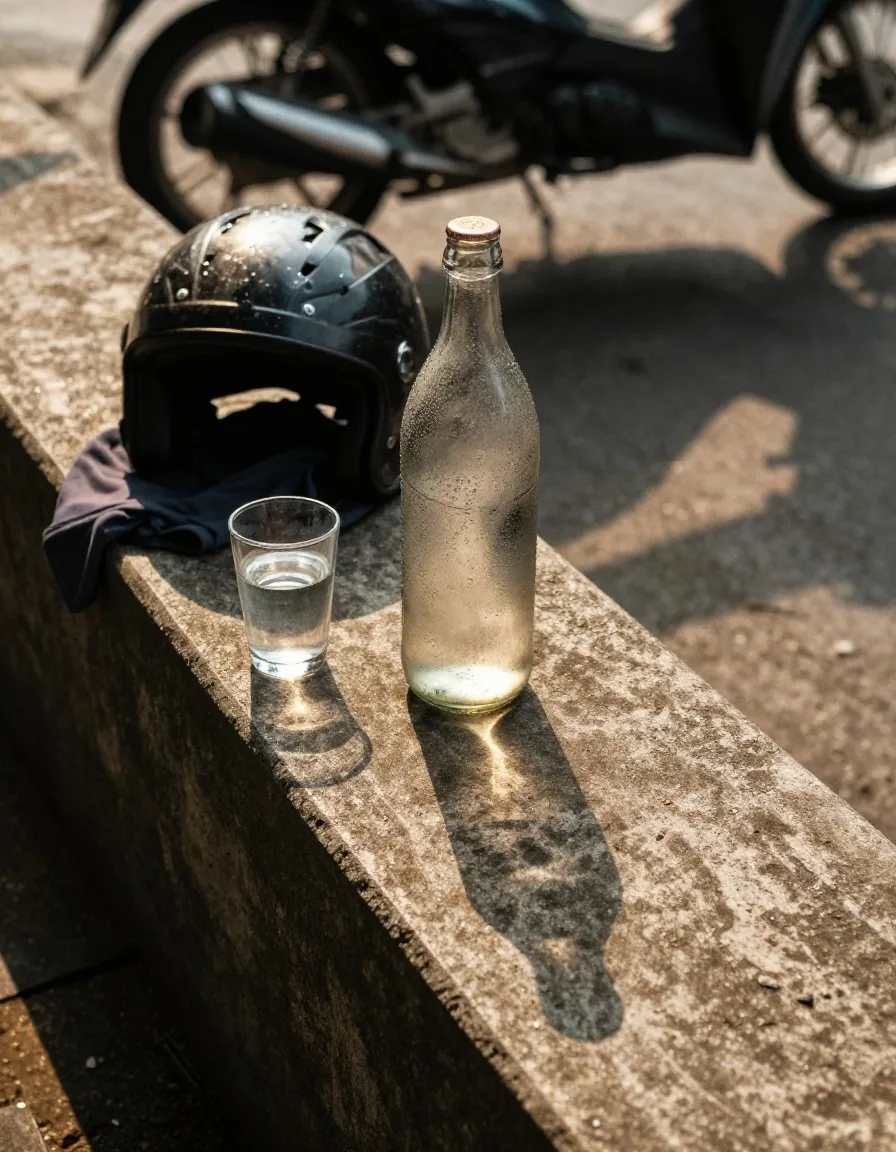
Drink before you feel thirsty, especially if you commute by motorbike or work outdoors. Two liters is a rough starting point, not a rule — it goes up with sweat, and sweat moves with the day. Keep a bottle at your desk and refill it twice; the ritual does the remembering for you.
On days with heavy sweating, add electrolytes rather than plain water alone. Water without any salts, drunk in large amounts through a hot afternoon, can leave you flatter than when you started. This one habit does more for the 3pm slump than most capsules, and it costs almost nothing to test for a week.
Working indoors
Air-conditioned offices dry you out quietly. Two bottle refills across the workday is the simplest version of a target you can actually keep.
Working outdoors
Heat and sweat change the maths. Drink earlier in the day, add salt or an electrolyte drink on the heaviest afternoons, and skip the second coffee.
150 minutes a week, any shape
Movement without a gym
Brisk walking counts, and so does cycling to the shop, taking the stairs and carrying the groceries home. Aim for 150 minutes of moderate activity a week in whatever form fits your day. It does not need to happen in one block — three twenty-minute walks and one longer ride already puts you most of the way there.
Walk fast enough to talk, not sing
That is the whole test for moderate intensity. Ten minutes after dinner, most evenings, is a real session.
Two short strength sessions
Push-ups, squats, planks and rows with a resistance band. Twenty minutes is enough when it happens consistently.
Use the errands you already run
Cycling to the warung, carrying water, parking further away: free minutes that never needed a slot in the calendar.
Men who train regularly often find that energy and endurance supplements make more sense once there is a routine to support, rather than as a way of starting one. Build the habit first; then decide whether anything is missing.

Rest and recovery
Sleep is where your body repairs and where tomorrow's energy is made. It is also the first thing traded away when a deadline lands, which is exactly backwards — a short night costs you the following afternoon.
Keep a consistent wake time, even on weekends. Cut caffeine after early afternoon, since it stays in the system far longer than the lift it gives. Keep the room dark and cool, and put the phone out of arm's reach — most nights you will reach for it anyway, so make reaching annoying. If you snore heavily or wake unrefreshed most days, that is worth raising with a professional rather than tuning around it for another month.
The four levers
Same wake time, seven days a week
Last coffee before mid-afternoon
Dark, cool, quiet room
Phone charging outside the bedroom
Managing stress in a working week
Stress is not solved by willpower. It is managed by small interruptions that break the loop before it runs all afternoon.
A walk at lunch does more than a lunch spent at the desk. Ten slow breaths before a difficult meeting is not a cliché if it actually lowers your pulse — test it once and you will know.
Give the working day a hard stop. Not a vague intention to finish early — a time after which messages wait until morning. Recovery depends on this as much as training does.
Protect one evening with no work at all. Put it in the calendar like any other commitment, because it will not survive on good intentions alone.
Men who manage this well usually describe the same thing: fewer long evenings, more ordinary ones. Nothing heroic — just a routine that leaves room for the rest of life.
Habits to add, not remove
Adding is easier than quitting. Add a glass of water before coffee. Add vegetables to a meal you already eat. Add a ten-minute walk after dinner. Each addition crowds out something weaker without a fight, and nothing needs to be given up in public.
This approach works better than a strict plan you abandon in ten days, and it leaves room for the foods you actually enjoy. A routine that is seventy percent kept for a year beats one that is perfect for a fortnight.
For men comparing natural capsules for strength and vitality alongside a routine like this, the order matters: habit first, supplement as a top-up. Capsules cover a gap in food; they do not cover a gap in sleep.

Not a failure of your routine
When to see a professional
If fatigue, weight change or low mood persists for weeks despite good sleep and food, book an appointment with a doctor. That is how you find out whether something else is going on, and it is the one step a guide cannot take for you.
Supplements are for filling nutrition gaps. They are not a way of investigating persistent symptoms, and no routine on this page replaces a proper conversation with a qualified professional. Take this guide to that appointment if it helps the conversation along — it is a record of what you already tried.
Keeping it going past month one
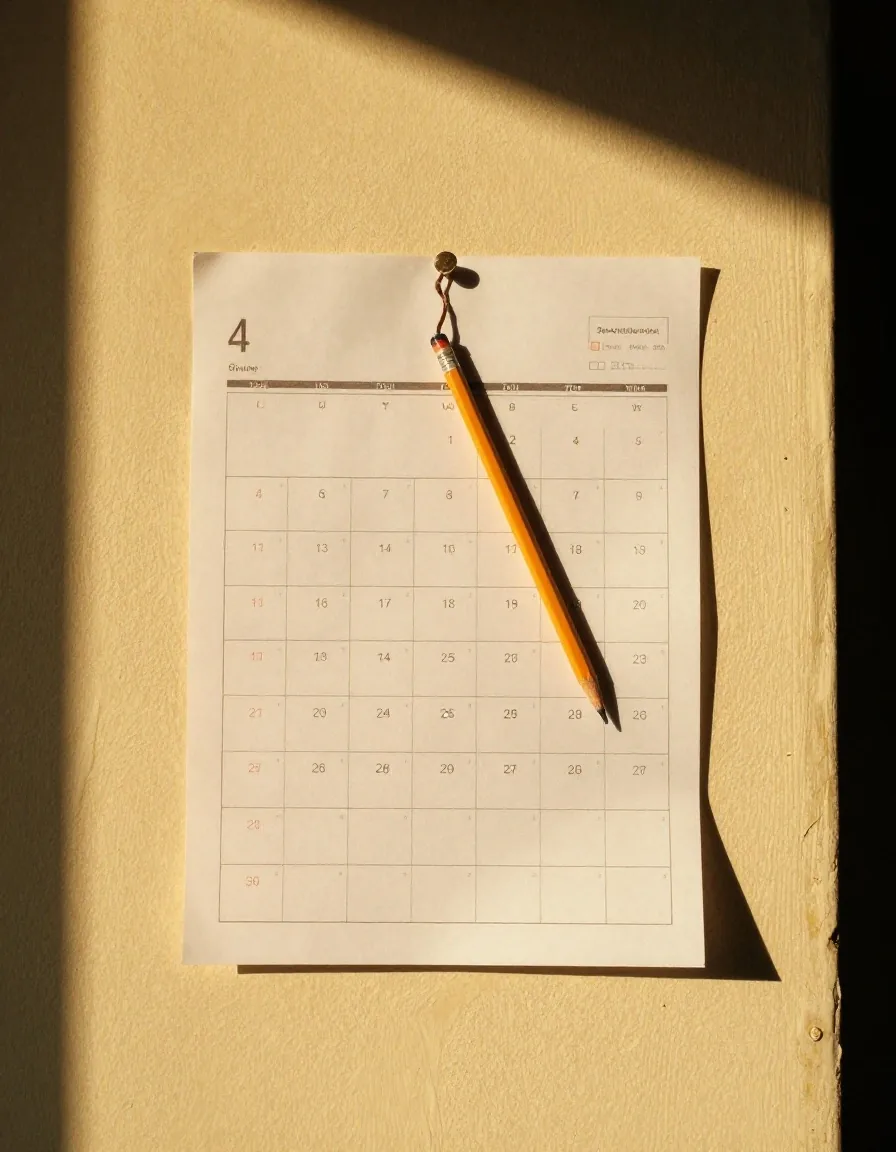
Track two things only: sleep hours and how many days you moved. Review monthly, adjust one thing, continue.

The only review that matters
Expect a bad week here and there. The goal is the trend, not a perfect record — a routine that survives an illness, a deadline and a holiday is worth more than one that looks impressive for a fortnight.
Questions men ask about the routine
Short answers to the practical questions that come up once a routine is actually running. For product-side detail, the questions and answers page covers ingredients, formats and everyday use.
How much water should I actually drink in Bandung heat?
Two liters is a starting point, not a target you defend. Sweating on a motorbike commute or working outdoors pushes it up. Keep a refillable bottle nearby, drink before thirst, and add electrolytes on the heaviest afternoons rather than more plain water.
Do I need a gym membership to follow this?
No. Brisk walking, stairs, cycling to the shop and carrying groceries all count toward the 150 weekly minutes. Add two short strength sessions at home with body weight and a resistance band. Twenty minutes done consistently beats an hour done rarely.
Where do men's vitamin supplements fit into all this?
After the food, not instead of it. A daily multivitamin is a way of covering the days when meals slip — long meetings, travel, a week of eating out. It does not make up for short sleep or a week of fried lunches, and it is not meant to.
How long before I notice anything changing?
Give it a month and judge by the trend, not by a single good day. Sleep and hydration usually show up first; strength and stamina take longer because they build on sessions you keep, not sessions you plan. If nothing has shifted after six weeks of honest consistency, that is worth a conversation with a professional.
Where to go next
Build the routine, then choose what supports it
The habits on this page are the part you own. If you want to see how natural supplements for men fit alongside them, our range page explains what each product is intended for, and how we decide what earns a place on the shelf.
Keep the ledger
One anchor fixed this week is a week won
Information on this page is general wellness guidance for adult men, not a substitute for advice from a qualified professional.
IndoVigor · Bandung
Jl. Asia Afrika No. 8, Braga, Sumurbandung, Bandung, 40111
Monday to Friday, 09:00–18:00